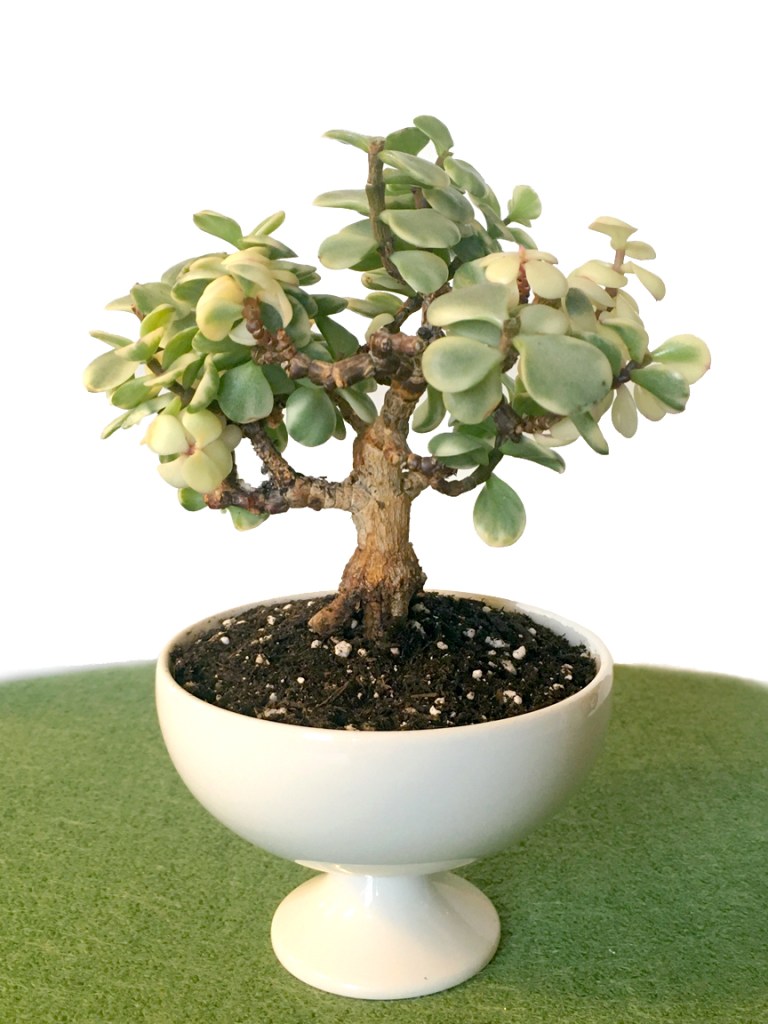
At twenty years old, this 4″ tall Rainbow Elephant Bush (Portulacaria afra variegata) is a baby with some history. Ten years in sunny Santa Fe, then another ten in the sun-challenged Seattle area, it’s grown a bit yellow from supplemental LED Grow Lights over the darker months.
A few weeks of summer sun will whiten and pink up the new growth, restoring the “rainbow” coloration.
- Bright Direct Light 6 hours or longer
- Water every 7-10 days, let dry between waterings
- Feed once a month April-June, September-October
- Temperature 50°F – 90°F (10°C – 32°C)
- Change soil once a year (ideally) or no longer than two
Bright Direct Light
Like most succulents, this prefers bright direct light for at least 6 hours but likes 8 or more to really thrive. Bright indirect light may also work if the sun is particularly strong where you live.
In latitudes or altitudes where the sun is strong (like Phoenix or Denver) where your plant is receiving direct sun from southern or western exposure, it will likely be well adapted to all but the hottest summers. Bright sunshine brings out the pink and white hues in Rainbow Elephant Bush’s new growth. However, if the plant appears to be getting burnt and brown around the edges of its leaves or starts dropping them excessively, pull it a few feet away from the window or relocate to an east facing location, if you can, for the duration of your hotter seasons.
Succulents can go dormant or semi-dormant during the summer (and again in winter) so pay close attention if watering seems to be causing too many leaves to fall off (more than just a few), you may need to water less frequently until autumn and spring.
In latitudes where the sun is weaker (like Seattle), a south or west facing window is good all year long—except for the odd summers where the temperature stays above 90 degrees for days in a row. Again, pull it further away from the window or relocate the plant to a temporary eastern exposure if you spot any trouble. Succulents that adapt to darker winters up north sometimes don’t adapt readily to suddenly sunny and hot summers. Using LED Grow Lights throughout darker months may help.
Winter is trickier for succulents living up north where the sun is weak for months at a time. The same goes year-round if you’re in a relatively sunless building or only have northern facing windows, regardless of geographic location. A Rainbow Elephant Bush in sunnier southern territories will produce ample and vibrant leaves from the abundant sunshine, while the same plant living up north will be so drained of energy that it produces only 25% of the leaves it used to.
An LED Grow Light is an excellent solution when there isn’t enough sunlight to keep your desert plants happy. It must be consistent, a daily dose of ideally 8 hours of grow light time in order to make a good difference (6 is passable). Without this, your succulents may limp along in survival mode for half the year before they get enough sunshine to recover. If you live in an apartment with only north facing windows or generally poor light, you’ll want grow lights for your succulents. Be aware that plants with white variegation tend to appear more cream colored than true white when grown under LED Grow Lights.
While there are loads of great LED plant lights on the market, this one has been the preferred brand at mini viridi, the SANSI Full Spectrum LED Grow Light 24W Bulb (300 Watt Equivalent), installed in an inexpensive swing arm desk lamp. Held at a 14 -18″ distance, this light works great for succulents and a good many other light hungry cacti.
Water
Rainbow Elephant Bush, like most succulents, prefers to dry out between waterings…perhaps only watering every 10-15 days. For small plantings like we have at mini viridi, once a week may be more appropriate as the smaller amount of soil will dry out faster.
Leaves that have gotten flatter, soft looking, dull or wrinkly are signs it’s a touch past time to water. Don’t worry, these plants are designed to manage drought. It may look bedraggled compared to how it might appear with a more regular watering schedule, but it’ll survive long enough for you to work out the details.
If your Elephant Rainbow Bush is growing in a kokedama, you’ll feel the soil ball is very lightweight when it’s time to water. Always be sure to drain off excess water after a soak…letting it rest on a towel for 30 minutes. If you’re loosing too many leaves in the first few days after watering, you may be overwatering…but loosing a few leaves occassionally is reasonable.
Feeding
Feeding with a low nitrogen fertilizer once a month during growing season is ideal. This would be mid-April through early June and again September through October, considering you live somewhere with hot enough summers to induce your plant to go dormant July through August. In the Pacific Northwest, succulents don’t always go fully dormant in the summer, so a little feeding is fine if new growth appears to keep coming. Winter in all climates is a good time for plants to rest, holding off with the feedings until spring is a good idea.
A liquid fertilizer is easiest to use for small plantings, one drop into 8 ounces of water is enough if you only need to make a small batch of fertilizer water. These plants are native to areas with poor soil, making sparse feeding appropriate.
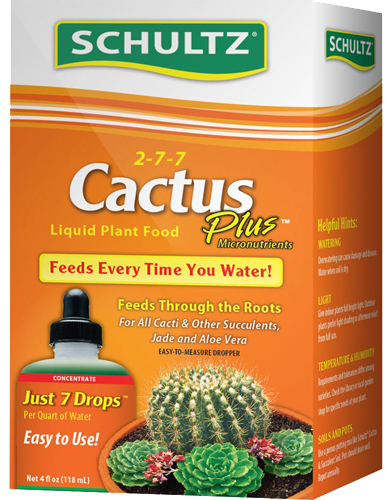
Liquid fertilizers are nice in that they come with a dropper, making it easy to measure out small amounts. 1 drop/8oz. of water.
Use a Cactus/Succulent fertilizer (2-7-7) if you really plan to keep your plants on the side of small and slow-growing.
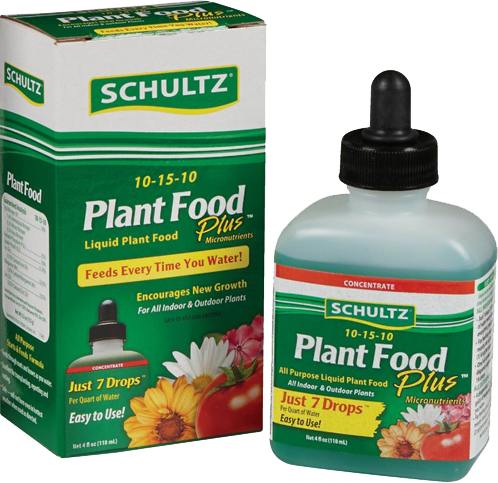
With general purpose liquid fertilizer (10-15-10…higher nitrogen, phosphorus, and potassium), the higher nitrogen levels might stimulate overgrowth, making the plant grow spindly and loose its compact shape. It may also encourage leaf and root rot. However, used very lightly, it may be passable.

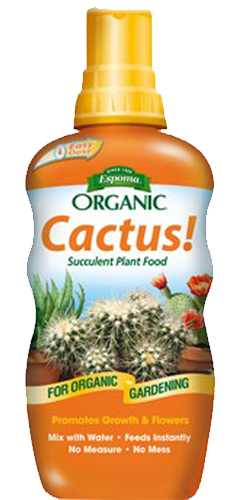
With these organic liquid fertilizers, the lower nutrient level honestly means you could fertilize with either (2-2-2 for Organic Indoor! and 1-2-2 for Organic Cactus!) as they’re both low nitrogen.
1/4 teaspoon/8oz. of water would be your mixture ratio for these. Smelly, but effective.
Temperature
60°F – 75°F is optimal, but can tolerate 50°F – 90°F for short periods. Below 50°F for extended periods risks cold damage, avoid leaving too close to the window during freezing outdoor temperatures. An inexpensive indoor thermometer will tell you what the micro-climate is like on your windowsills, if you’re so inclined. There can be up to 10° difference from the rest of the room, but generally you’ll want to pull plants a couple feet away from the window during very hot and very cold weather unless you’re sure.
Trimming
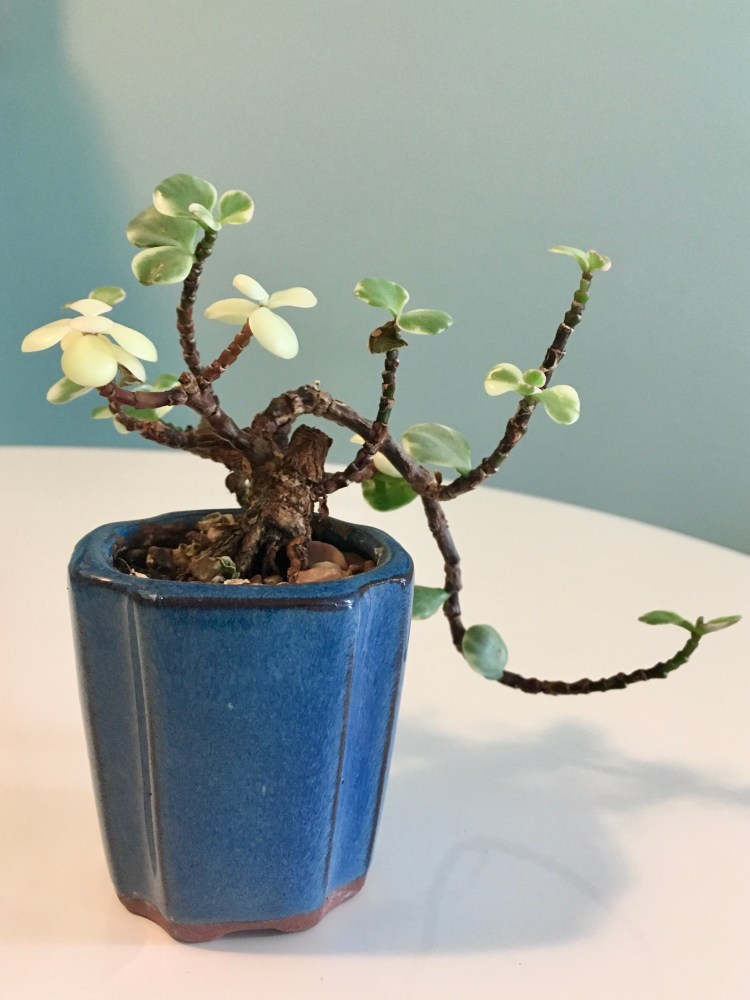
Someone needs a haircut! Or in this case a branch trim and a repotting. This little 2″ Rainbow Elephant Bush bonsai has gotten “leggy” and its leaves grown sparse…it’s ready for some pruning. Repotting into fresh, well draining soil, trimming the roots and pruning the most spindly branches will effectively rejuvenate the plant.

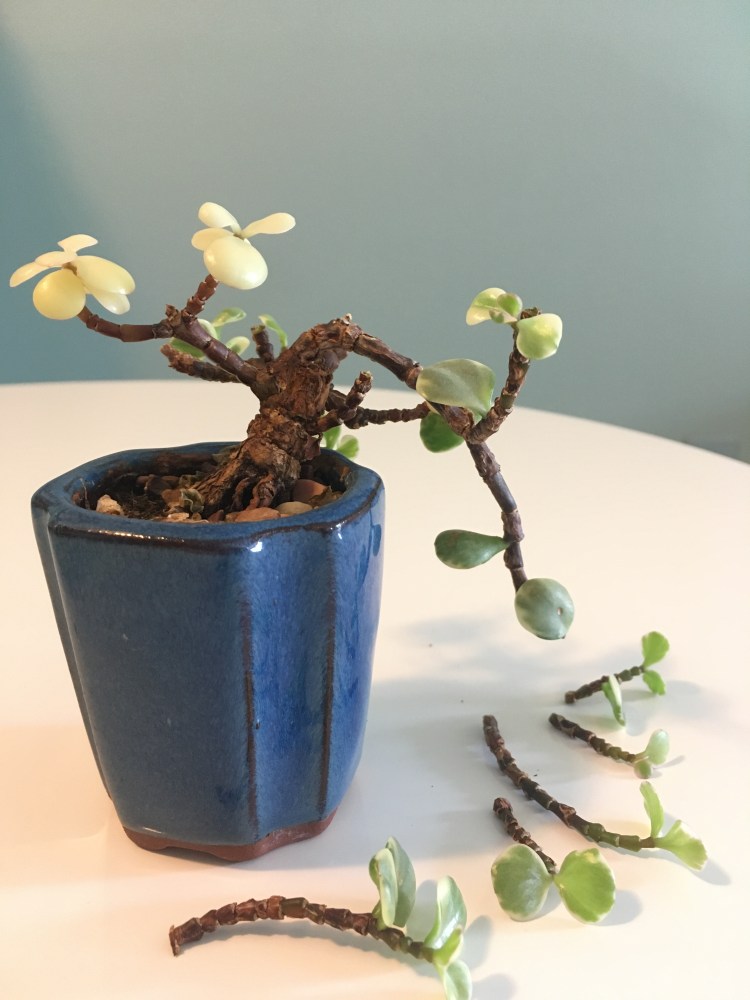
Here are the points we’ll prune back to. You could prune more aggressively, but this plant looks a little stressed. We’ll go a easy and prune just half of the branches, the longest ones, back to nearly half their length.
The longest, most overgrown branches were pruned, keeping some leaves intact on the main body so the plant will be able to generate enough energy to recover.
In a couple months after new leaves have grown from the pruned areas, the remaining branches that are too long and bare will be trimmed next. Let’s look for an updated image in August 2023 to see the results!
 miniviridi.com